As AI reshapes education and the meaning of “elite” is redefined, a profound dialogue on power, privilege and the essence of education unfolded at HHKCS.
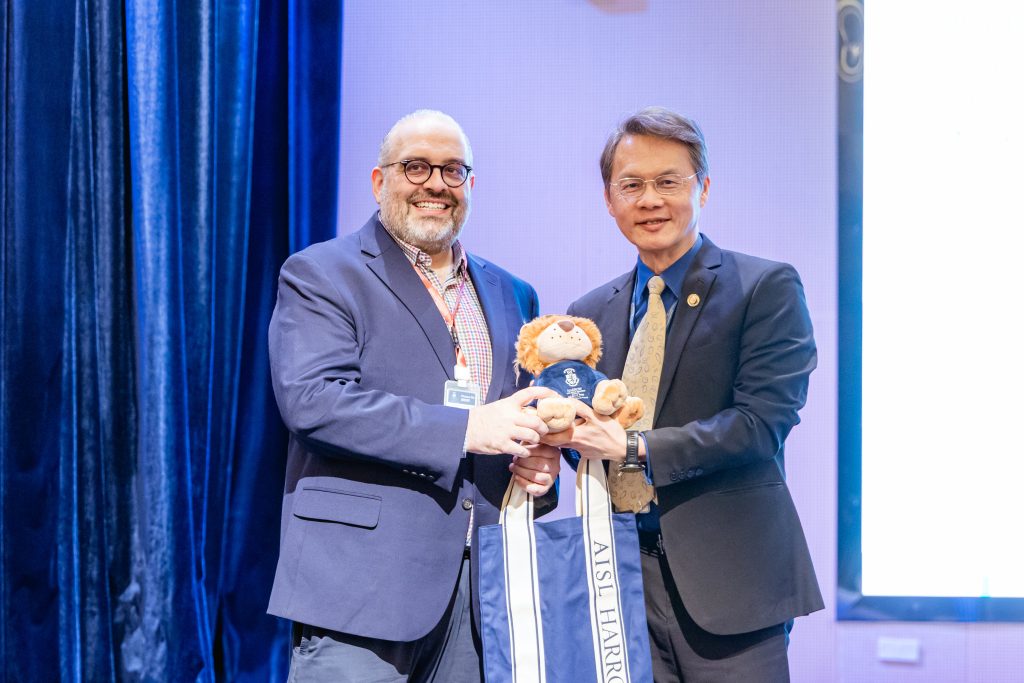
On 6th March, Professor Shamus Khan from Princeton University visited HHKCS.
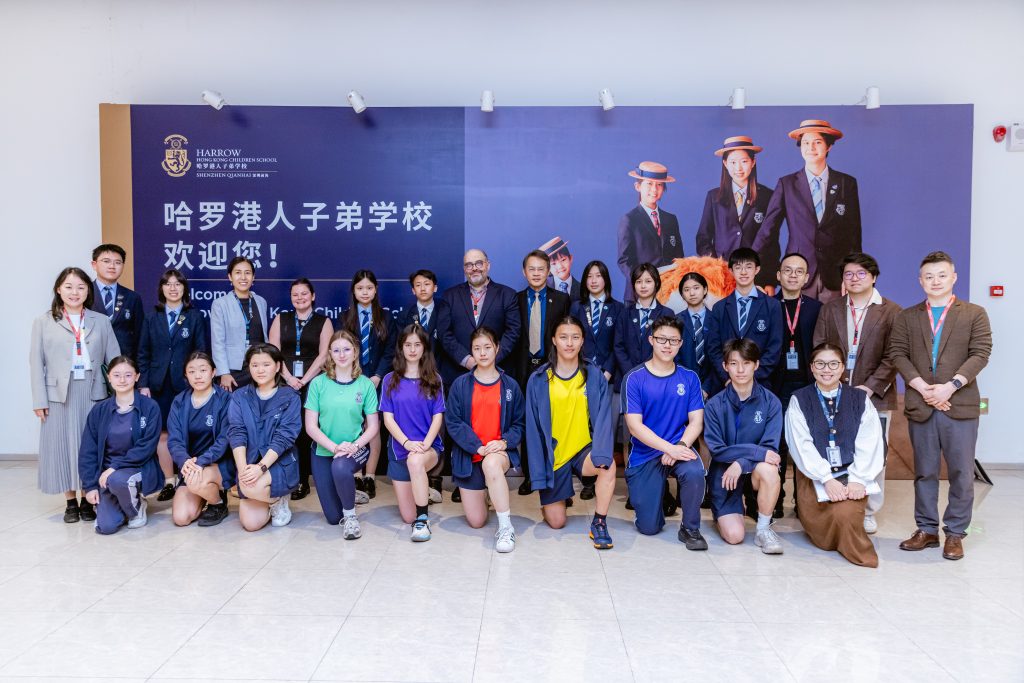
As a highly respected sociological scholar, Professor Khan delivered a speech titled “Understanding Elites & Elite Education,” offering cutting-edge perspectives on the core issues facing elite education in a transforming society. Following his talk, he engaged in a roundtable discussion with Harrow’s student leaders, delving into the deeper implications of social capital and illuminating new dimensions in the students’ understanding of education and society.
Who is Shamus Khan?
Shamus Khan is the Willard Thorp Professor of Sociology and American Studies at Princeton University. His research spans culture, inequality, gender, and elites, establishing him as one of the most influential scholars in the contemporary study of elite education.
A regular contributor to publications such as The New Yorker, The New York Times, and The Washington Post, and a former columnist for Time, Professor Khan is a thinker who bridges rigorous academic scholarship with public discourse. In 2016, he was awarded Columbia University’s highest teaching honour, the Presidential Award for Outstanding Teaching. In 2018, he received the Hans L. Zetterberg Prize from Uppsala University, recognising him as the “best sociologist under the age of 40”.
What is an Elite? Power, Privilege, and the Essence of Education
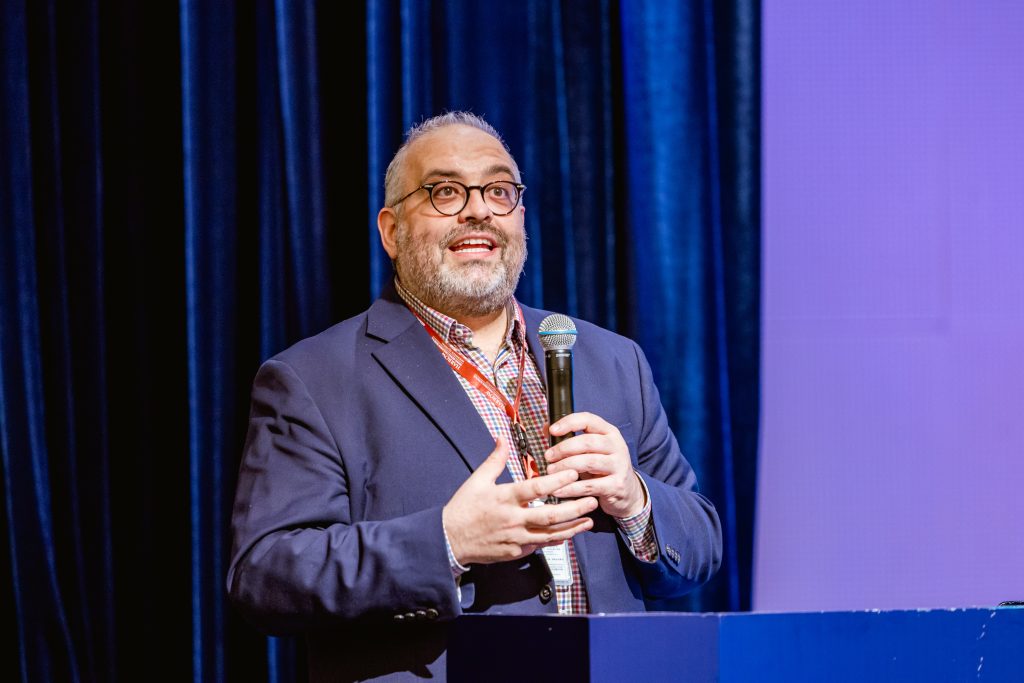
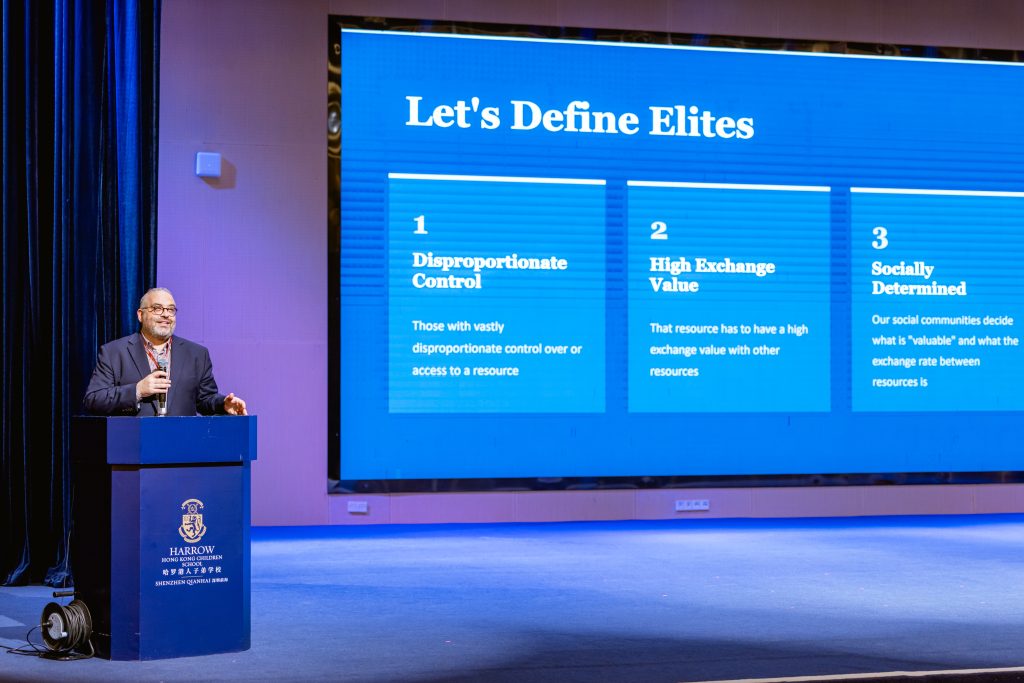
Professor Khan opened his lecture with a fundamental question: What is an elite?
“Elite” isn’t just about wealth—it’s holding disproportionate control over resources like money, connections, or cultural capital. What’s “valuable” is decided by society.
Professor Khan explained that elite universities balance selection and cultivation—admissions aren’t purely merit-based but aim to build diverse learning communities. Harvard research shows that top 1% income children are twice as likely to attend Ivy League schools as middle-class students with comparable scores, due to factors like legacy preferences. True elite education should bridge class divides, not replicate privilege.
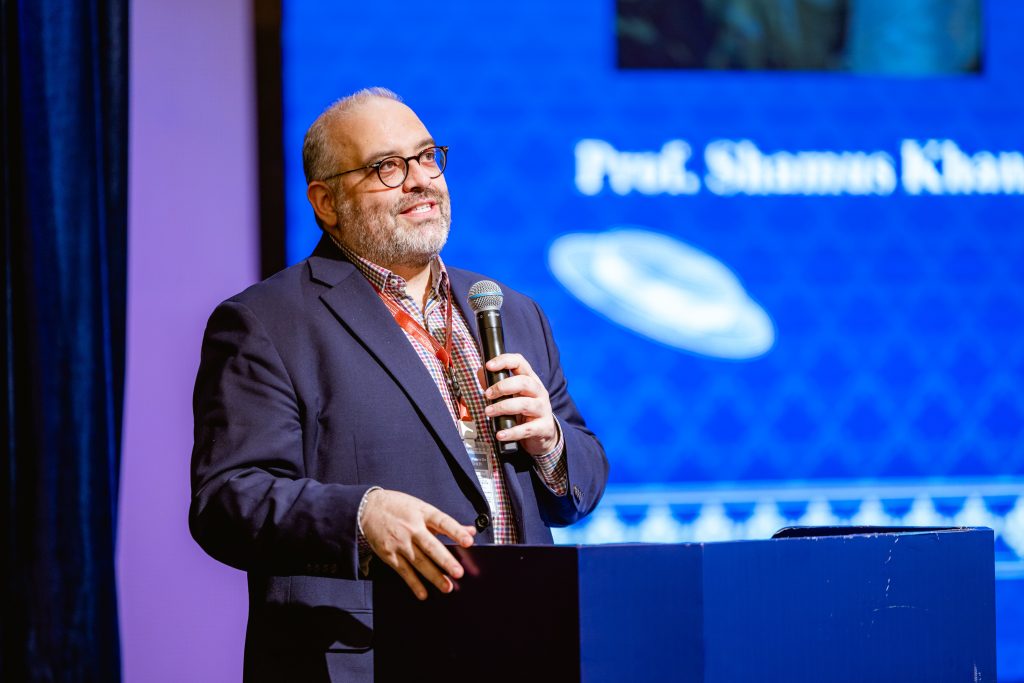
Confronting the impact of AI on education, Professor Khan posed two crucial questions: What skills can we be confident our students possess? And what skills will the future actually require?
Data from last year’s graduates reveals a striking fact: Computer Science majors had the sixth-highest unemployment rate among all fields. The value of qualifications that once seemed to guarantee employment is diminishing.
Given this trend, Professor Khan’s answer was: research capability.
He stated, “Research is a way of understanding the world. It is rooted in the scientific method, constantly asking one key question: How could I be wrong?”
He also referenced four norms first articulated by American sociologist Robert Merton in his 1942 essay “The Normative Structure of Science” (often called the CUDOS principles): Communalism (knowledge shared), Universalism (claims evaluated independently of status), Disinterestedness (motivated by scientific progress, not personal gain), and Organised Skepticism (open to critical scrutiny) to describe the normative structure of scientific activity. Professor Khan emphasised two additional crucial qualities: curiosity and humility – the driving force behind inquiry and the open-mindedness to accept the possibility of being wrong.
Professor Khan’s insights profoundly impressed upon Harrow students that in the rapidly evolving age of AI, research ability, critical thinking, and a scientific mindset are truly irreplaceable core competencies. Staying curious and self-reflective will be key to navigating the future successfully.
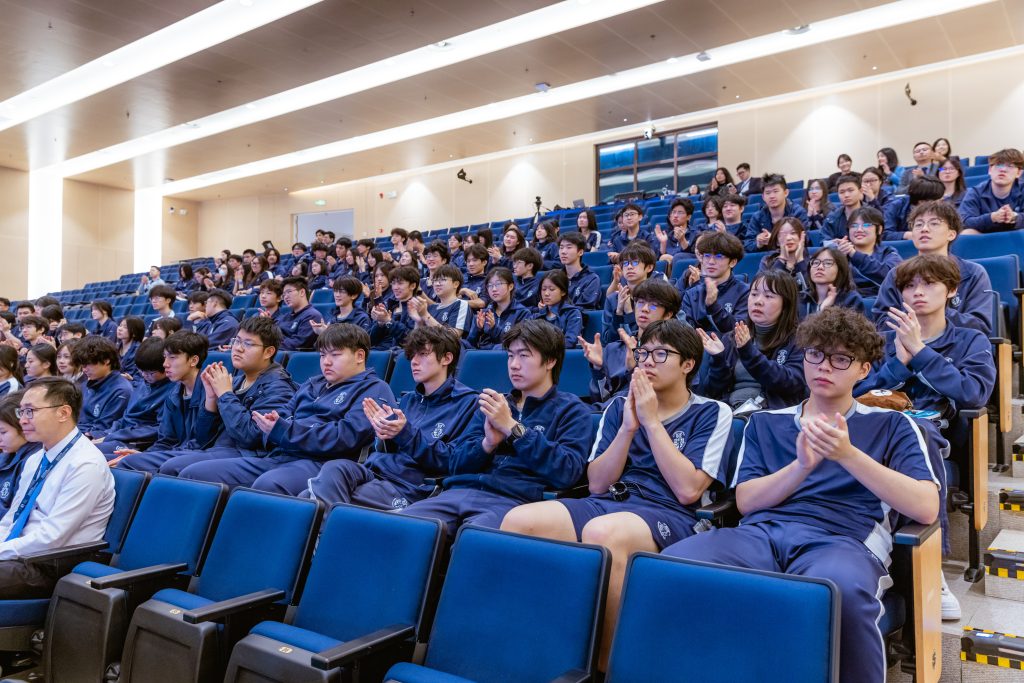
Dialogue and Debate
After the lecture, Professor Khan held a nearly hour-long closed-door discussion with Harrow student leaders. Students asked sharp questions—from elite struggles to academic integrity, global affairs to AI’s impact. His responses sparked deep reflection.
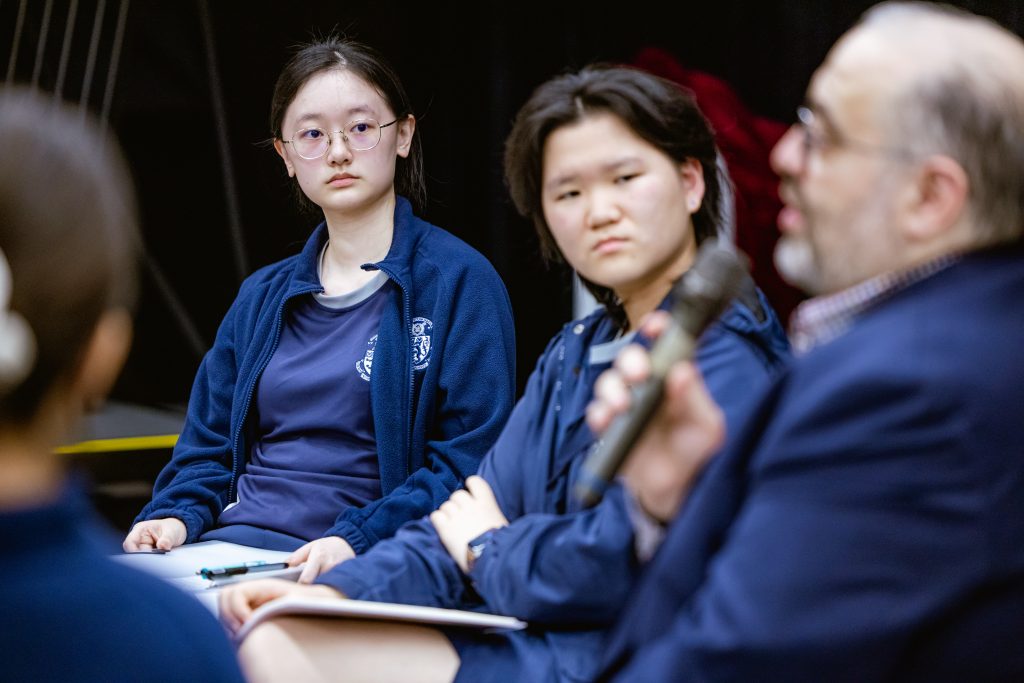
Using his own social circle as an example, Professor Khan highlighted a common cognitive bias – “availability bias”: our tendency to rely on immediate examples when evaluating information. Elites are often surrounded by peers, leading them to perceive their own circumstances as “normal,” sometimes even unaware of their own privilege. However, they often fail to see that life for the majority has stagnated.
This prompted a student to reflect: “I suddenly realised that what I thought was ‘normal’ might just be where I stand. To truly understand, you have to step outside.”
Reflecting on his early career enthusiasm for television appearances and newspaper columns, Professor Khan admitted that it was often driven by “personal vanity.” He later realised that a true expert isn’t someone who offers opinions on every topic, but someone who understands where their voice is most valuable. “My job is to provide people with facts, enabling them to advocate for change, rather than imagining myself as the leader in every situation.”
This highlighted a crucial distinction: sometimes the path of “becoming a leader” diverges from the path of “doing meaningful work.”

Professor Khan shared a surprising insight: AI may replace high-skilled jobs like programming before low-skilled roles. Yet he’s optimistic about the humanities.
“We teach essay writing not for reports, but to build portable skills—problem-solving logic, research methods, the habit of questioning. These transfer to any field.” In an age where AI can handle calculations, what becomes truly scarce are individuals who can still think.
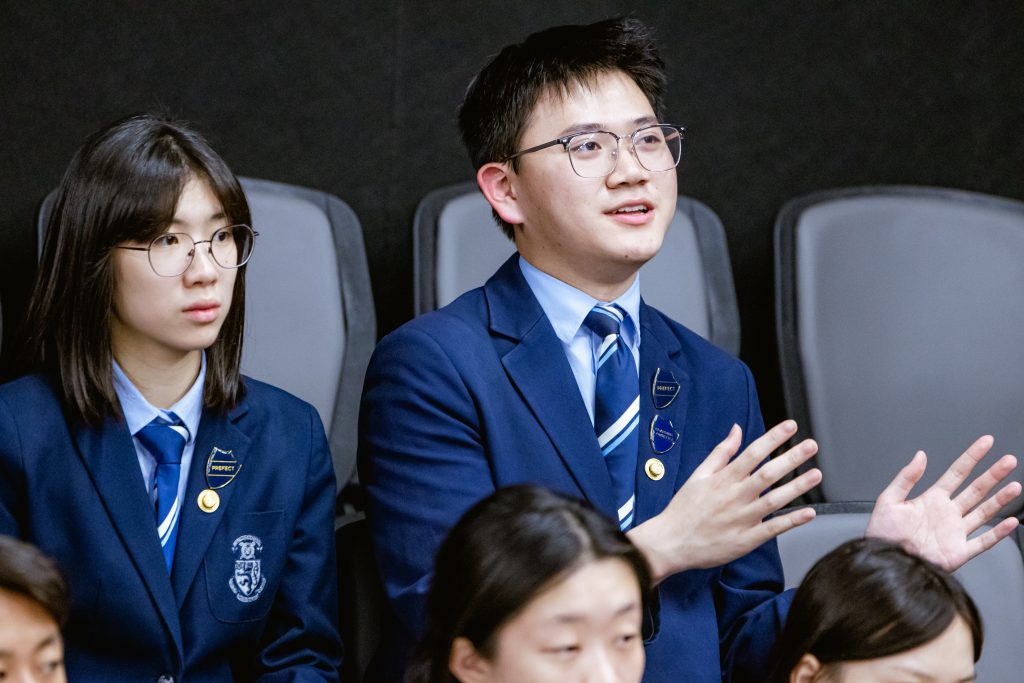
This dialogue showed Harrow students that being an elite isn’t about status—it’s about depth of thinking, clarity of choice, and responsibility to serve others.
The Power of Ideas: What is Education For?
This visit by the Princeton professor enabled Harrow students to look beyond their textbooks and examine education and society from a broader perspective. The ideas conveyed by Professor Khan resonated deeply with Harrow’s four core values:
- Honour is the clarity that comes from understanding one’s position – acting with dignity, without arrogance or inferiority.
- Courage is the willingness to ask, “How could I be wrong?”
- Humility is maintaining curiosity about the world and reverence for the unknown.
- Fellowship is breaking down barriers, enabling individuals from different backgrounds to contribute to each other’s success.
In the AI era, HHKCS believes education is about igniting thought, not filling minds. We hope every student becomes a creator of knowledge, not just a recipient—embodying Honour, Courage, Humility and Fellowship, striving to be individuals of warmth and integrity.